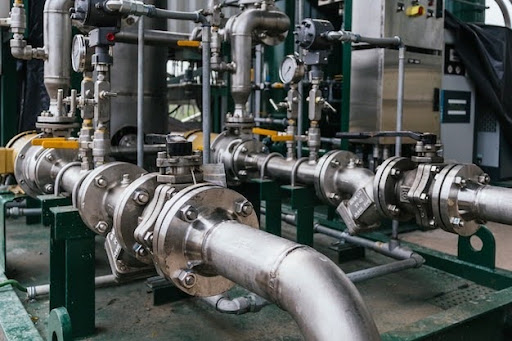
Mobile gas processing systems provide solutions for treating and managing natural gas where permanent facilities are unavailable or impractical. These systems can be transported and installed at different sites. Mobile gas processing is useful for remote projects, temporary operations, and facilities needing additional capacity without a major permanent investment.
1. Supporting Remote Gas Production
Remote oil and gas fields often operate far from established processing infrastructure. Transporting untreated gas over long distances can increase costs and create operational difficulties.
Mobile systems can be placed closer to production areas, allowing operators to process gas at the source and make better use of available resources.
2. Temporary Processing Requirements
Mobile gas processing systems are valuable for projects that need processing equipment for a limited period. They can support exploration activities, temporary production sites, pilot projects, and facilities waiting for permanent infrastructure.
After the work is completed, the equipment can be relocated, making it practical and flexible for changing project requirements and operating conditions.
3. Flare Gas Recovery
Gas flaring can waste valuable resources and contribute to unnecessary emissions. Mobile processing units can help recover and treat suitable gas that might otherwise be burned.
Once processed, the gas may be used for local operations, transported, or directed into an appropriate distribution system. This application can improve resource utilization while supporting responsible gas management.
4. Early Production Facilities
When a new gas field begins production, a permanent processing plant may take considerable time to design, construct, and commission. Mobile systems can provide temporary processing capacity during this development period.
Mobile gas processing allows operators to begin production activities earlier while permanent facilities are being planned or constructed. This can help companies evaluate field performance before making larger infrastructure decisions.
5. Backup During Maintenance
Permanent processing facilities sometimes require planned maintenance or may experience unexpected equipment problems. During these periods, processing capacity can be reduced or temporarily unavailable.
A mobile system can provide additional support when suitable, helping operators maintain production and reduce interruptions. It can also serve as a temporary solution while damaged equipment is repaired or replaced.
6. Small and Marginal Gas Fields
Small gas fields may not generate enough production to justify the cost of a large permanent processing facility. Mobile equipment can offer a more adaptable approach by matching processing capacity with project needs.
Mobile gas processing can make it easier to develop smaller resources by reducing dependence on extensive fixed infrastructure. Operators can also relocate the equipment when production conditions or project priorities change.
Final Thoughts
Mobile gas processing systems have important applications across the oil and gas industry. They can support remote production, temporary projects, flare gas recovery, early production, maintenance activities, and smaller fields. Their transportable design provides flexibility for operators facing changing requirements and limited infrastructure. By selecting suitable equipment and planning installation carefully, companies can improve gas handling, reduce delays, and use processing capacity efficiently. These systems can provide a practical option when traditional permanent facilities are too costly, distant, or time-consuming to establish.