Introduction
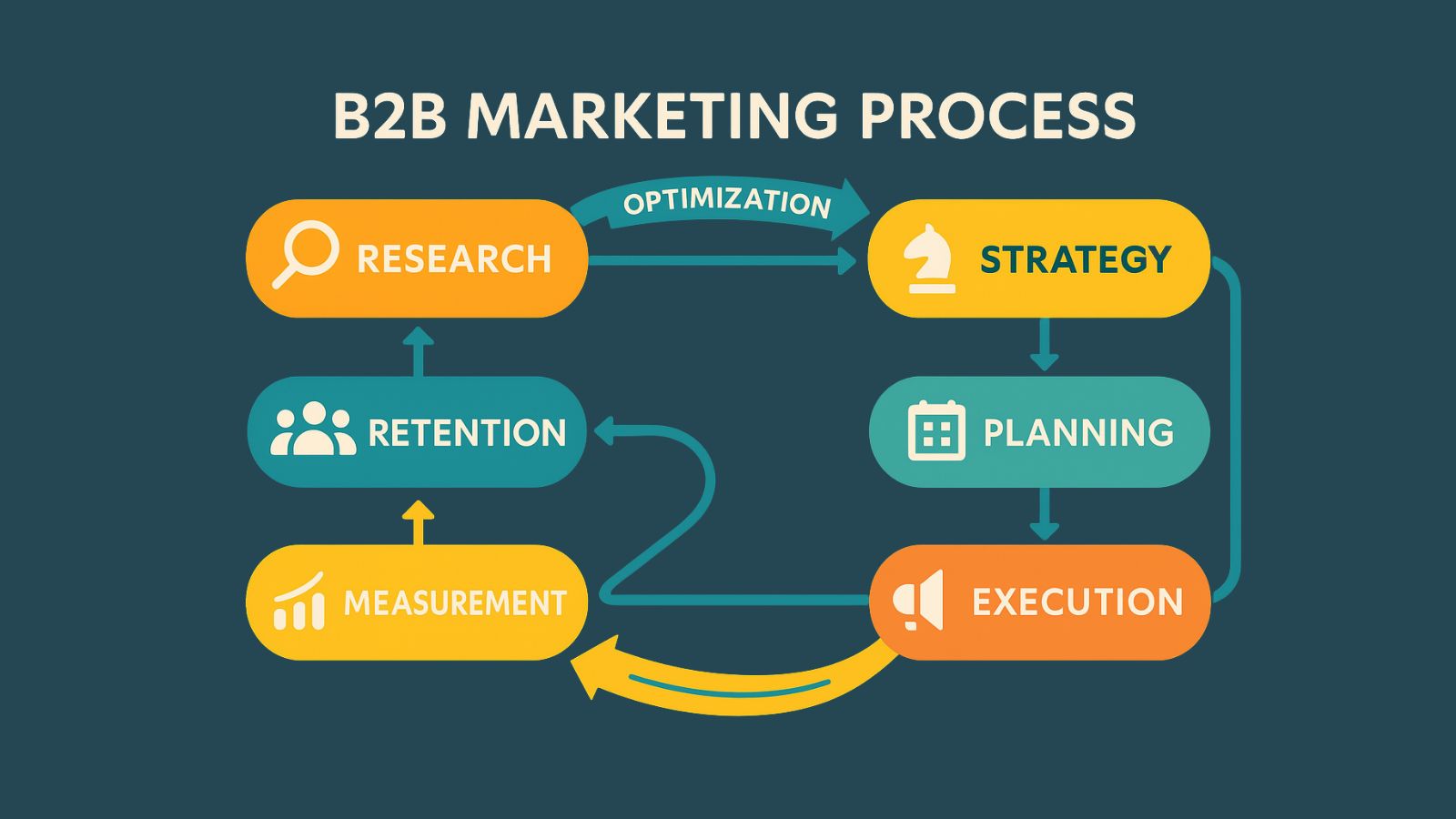
A strong B2B marketing framework is essential for businesses that sell products or services to other businesses. Unlike B2C marketing, B2B focuses on long-term relationships, value-driven communication, and logical decision-making. A structured framework ensures consistency, scalability, and measurable results.
Understanding Your Target Audience
The first step is identifying your ideal customer profile (ICP). Understand industry type, company size, challenges, and decision-makers. Conduct research to create detailed buyer personas that guide your messaging.
Value Proposition Development
Your value proposition should clearly explain how your product solves business problems. Focus on ROI, efficiency, and scalability rather than emotional appeal.
Content Marketing Strategy
Content is the backbone of B2B marketing. Use blogs, whitepapers, case studies, and webinars to educate your audience and establish authority.
Multi-Channel Approach
Leverage multiple platforms like LinkedIn, email marketing, SEO, and paid ads. Each channel should work together to guide prospects through the sales funnel.
Lead Generation and Nurturing
Use lead magnets such as ebooks or free trials to capture leads. Then nurture them with email campaigns and personalized content until they are ready to convert.
Analytics and Optimization
Track KPIs such as conversion rates, cost per lead, and customer acquisition cost. Continuously optimize campaigns based on data insights.
Conclusion
A well-defined B2B marketing framework helps businesses grow systematically by focusing on targeted communication and measurable outcomes.
Leave a Reply